General Description
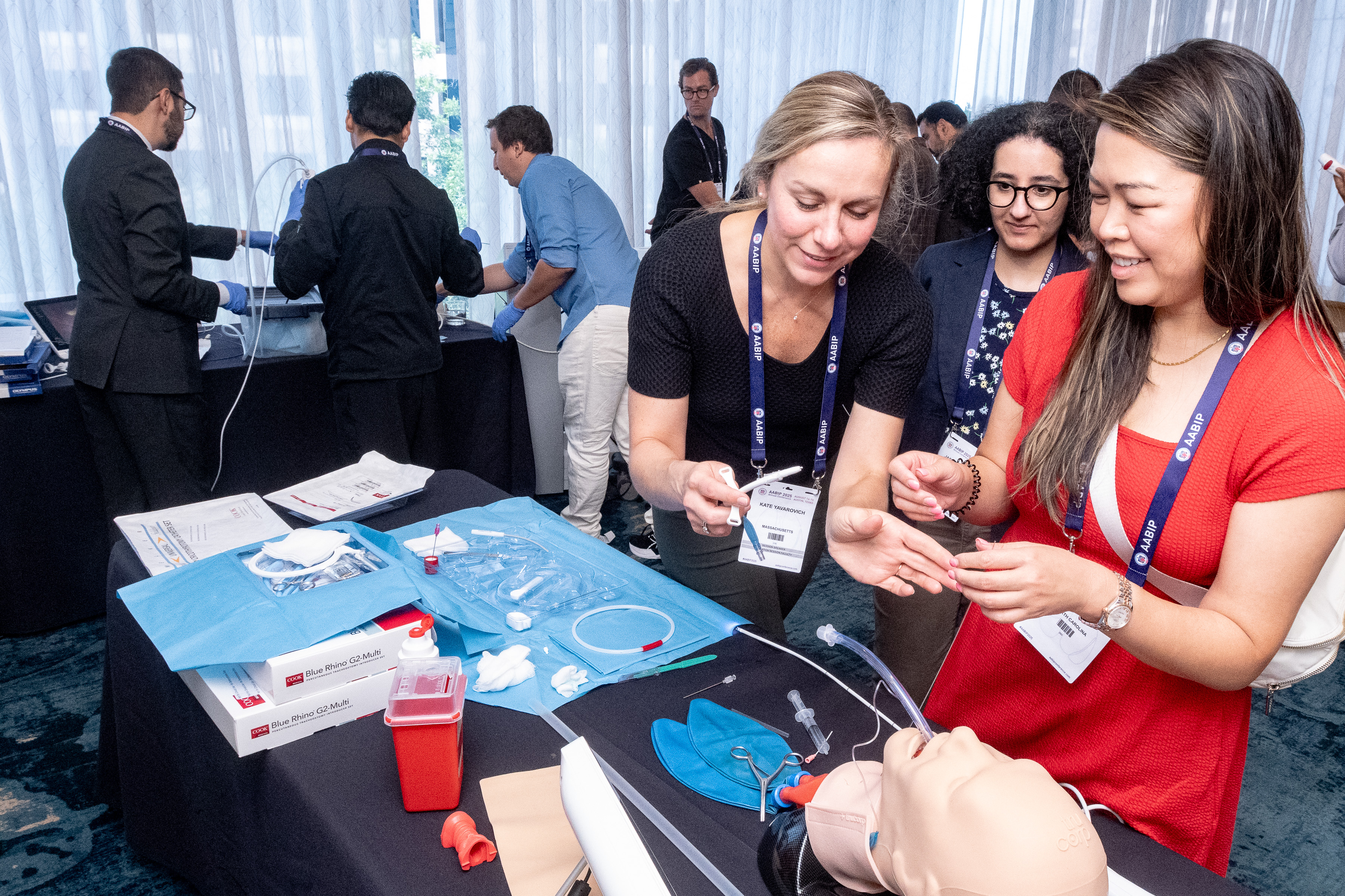
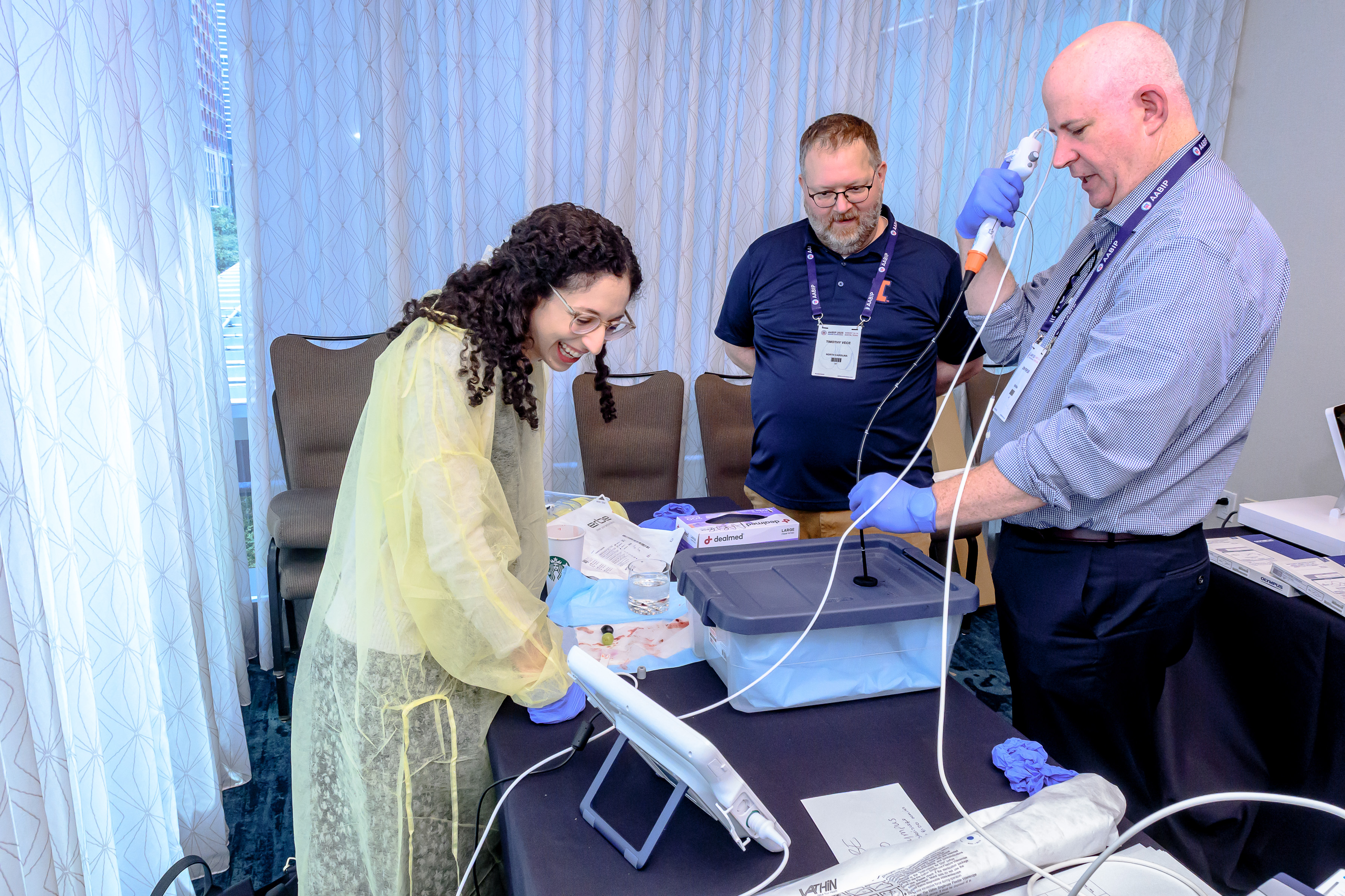
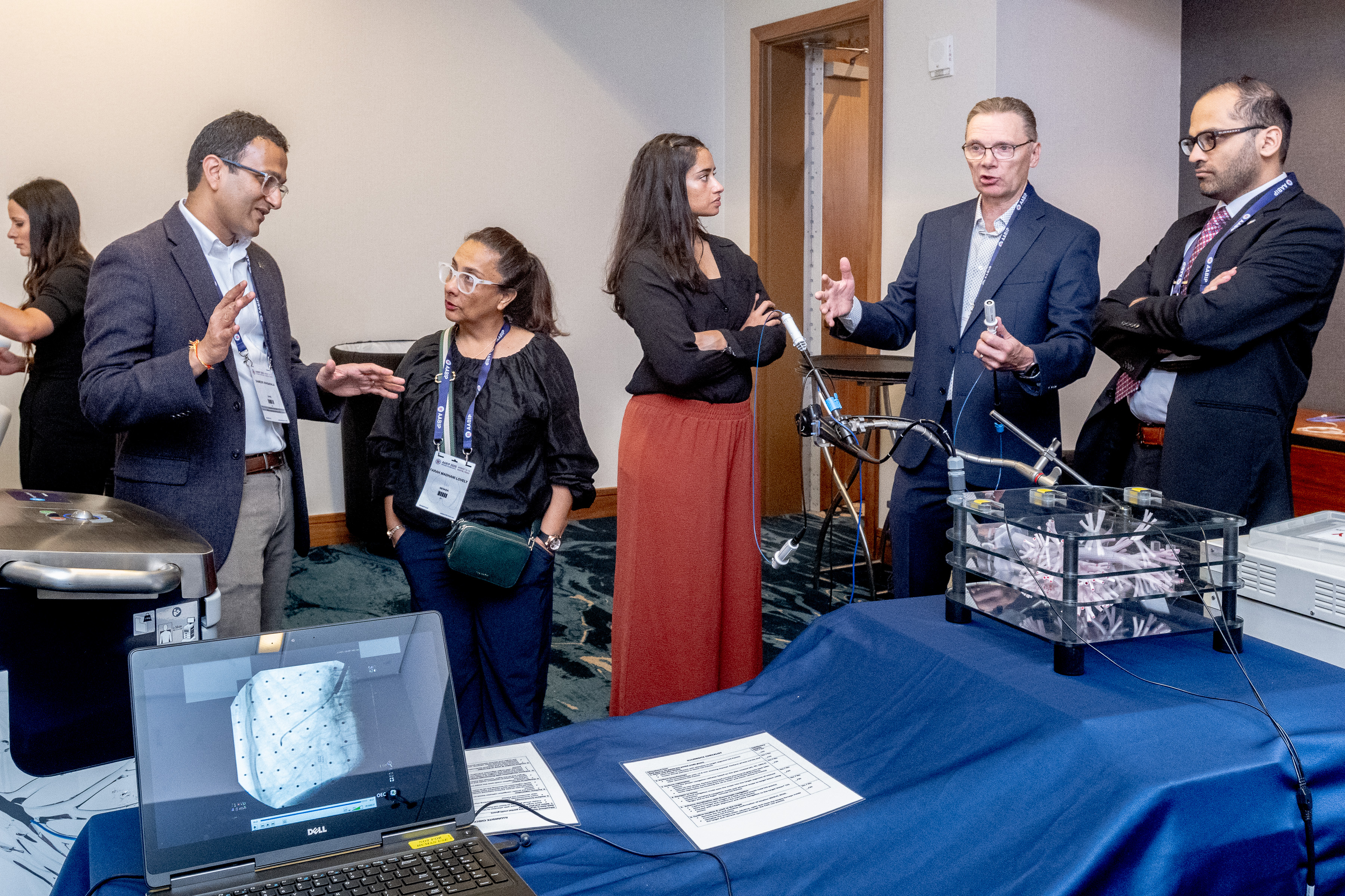
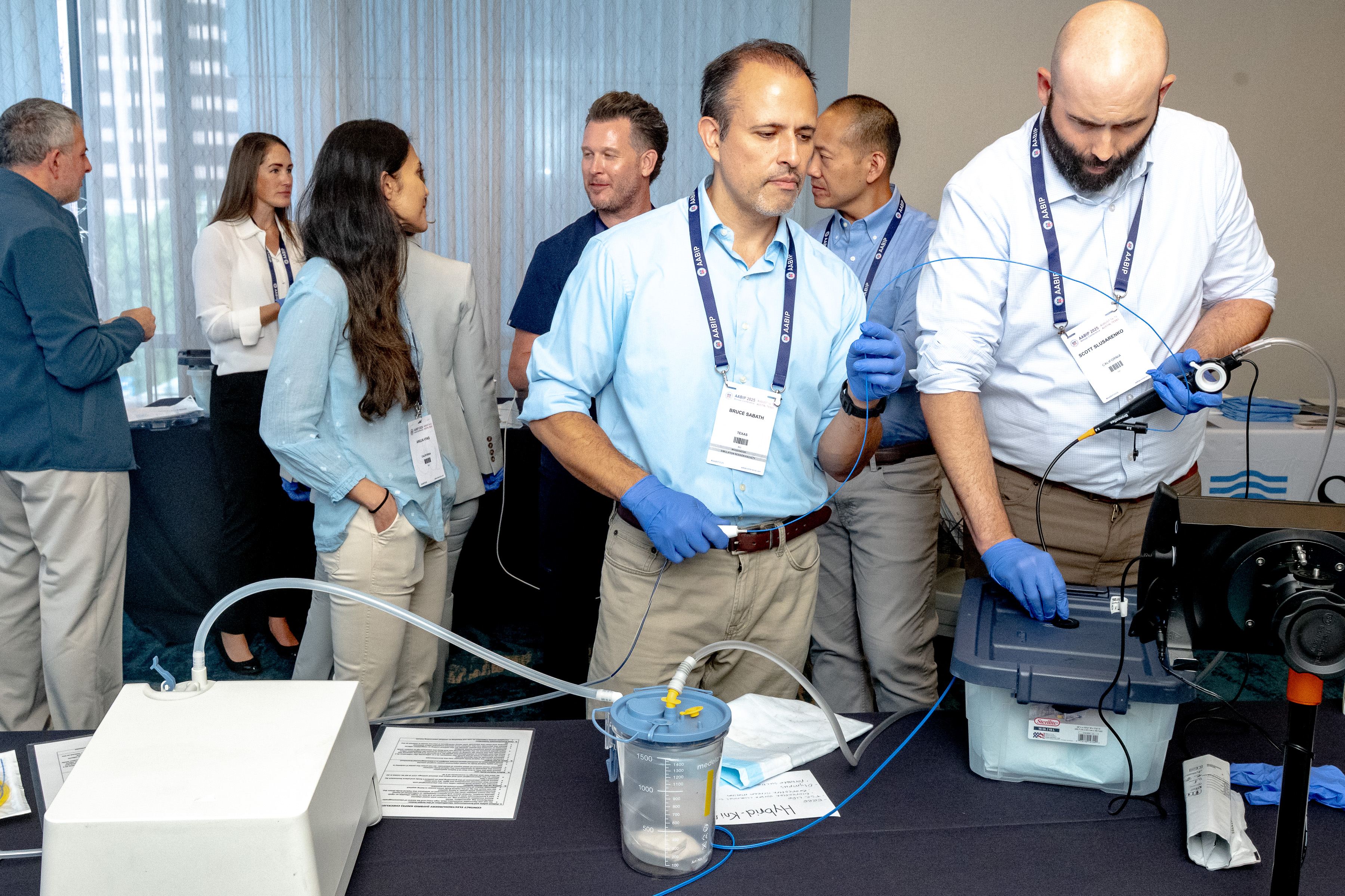
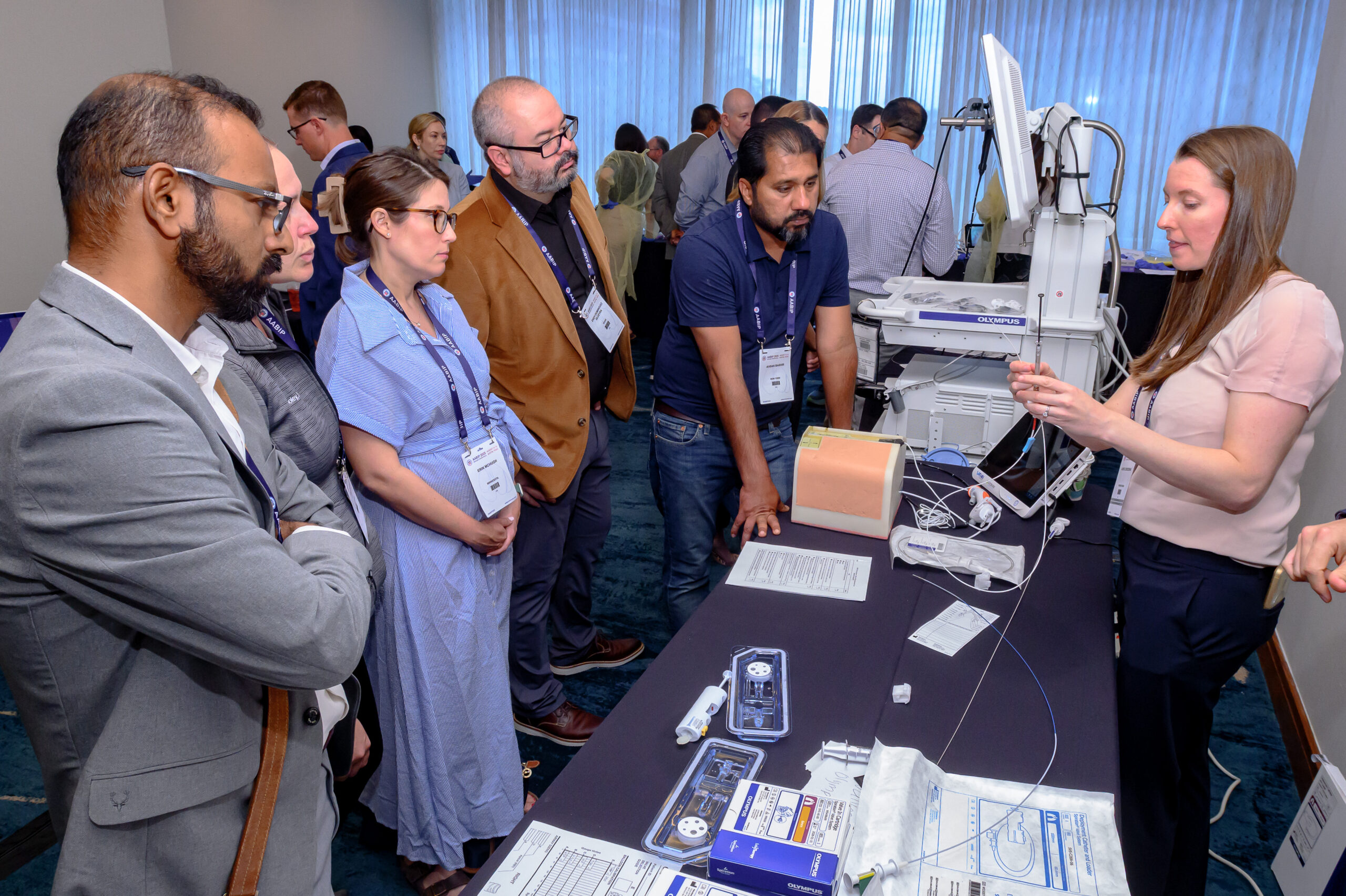
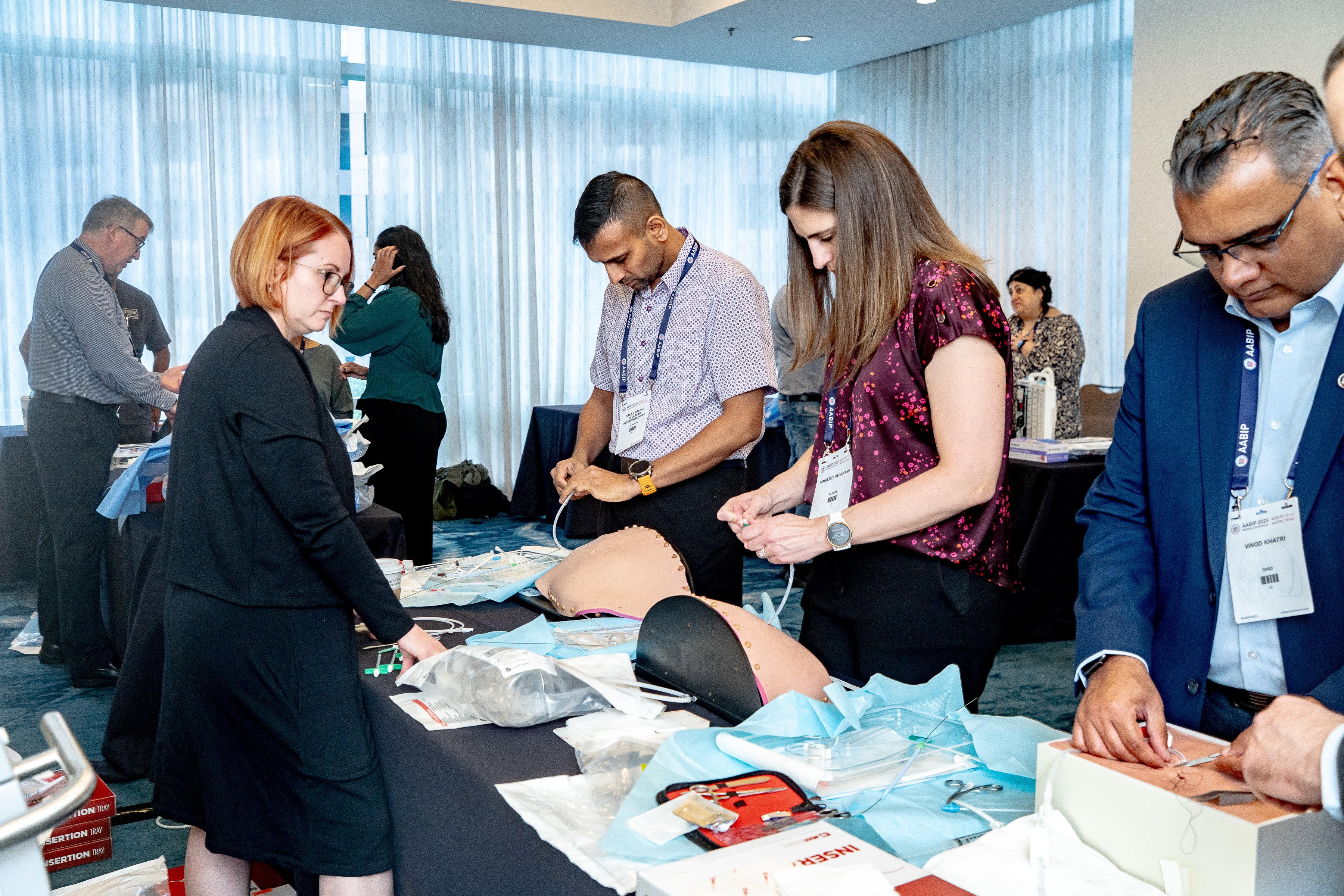
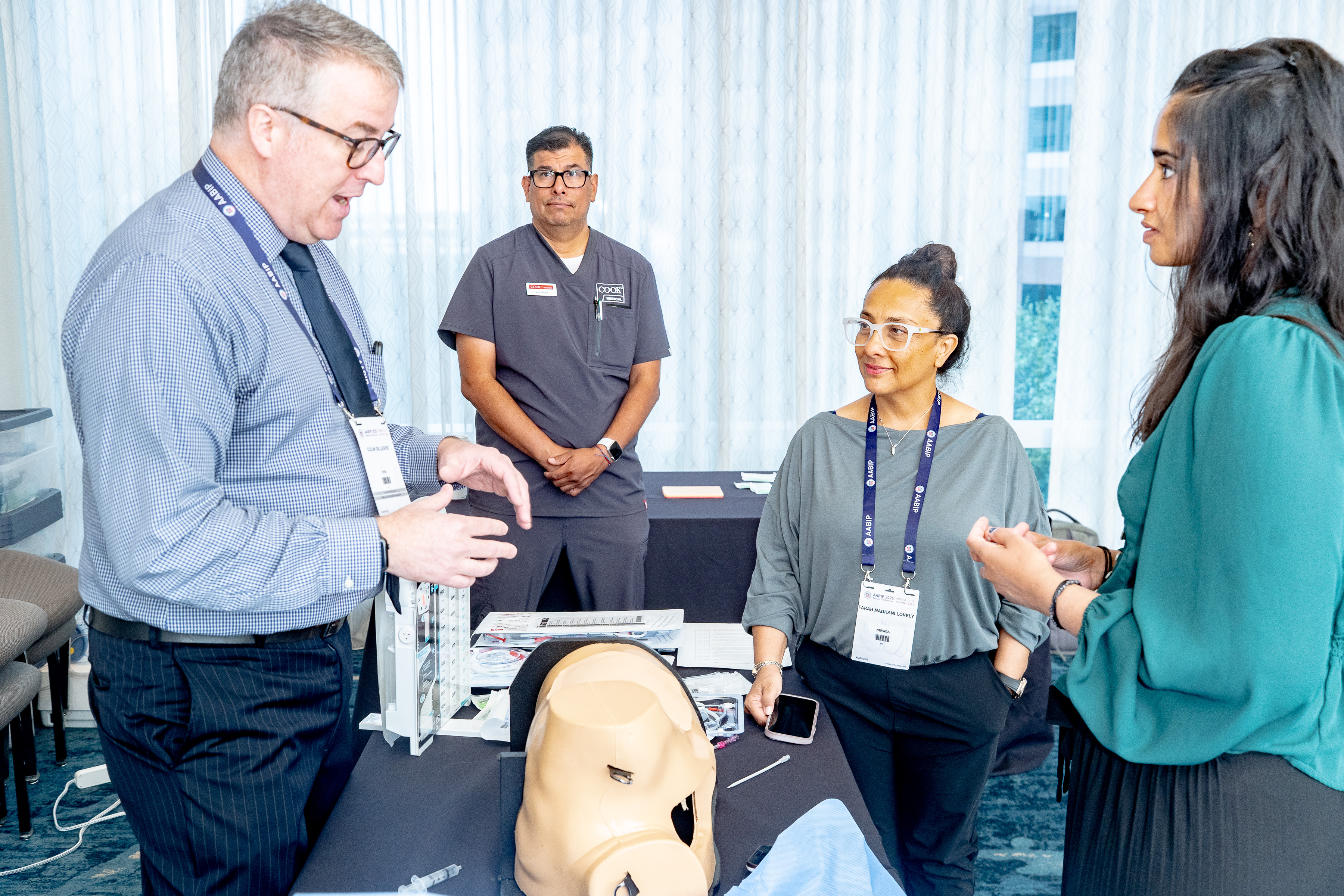
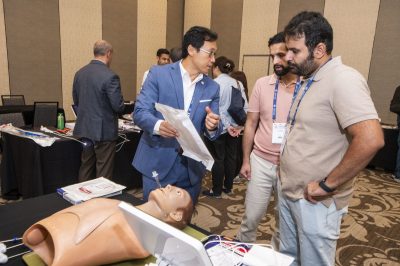
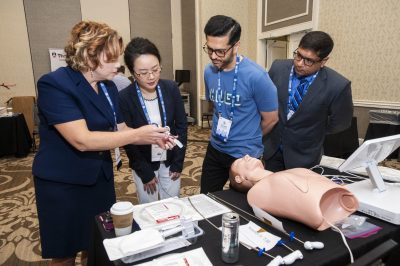
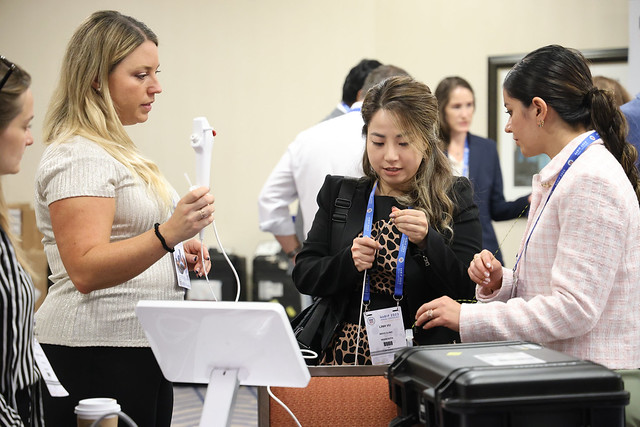
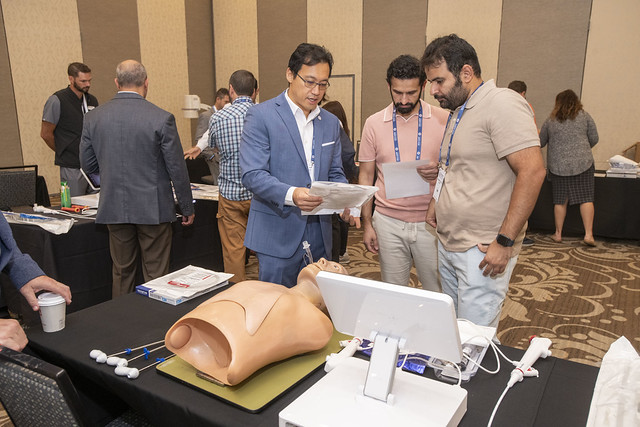
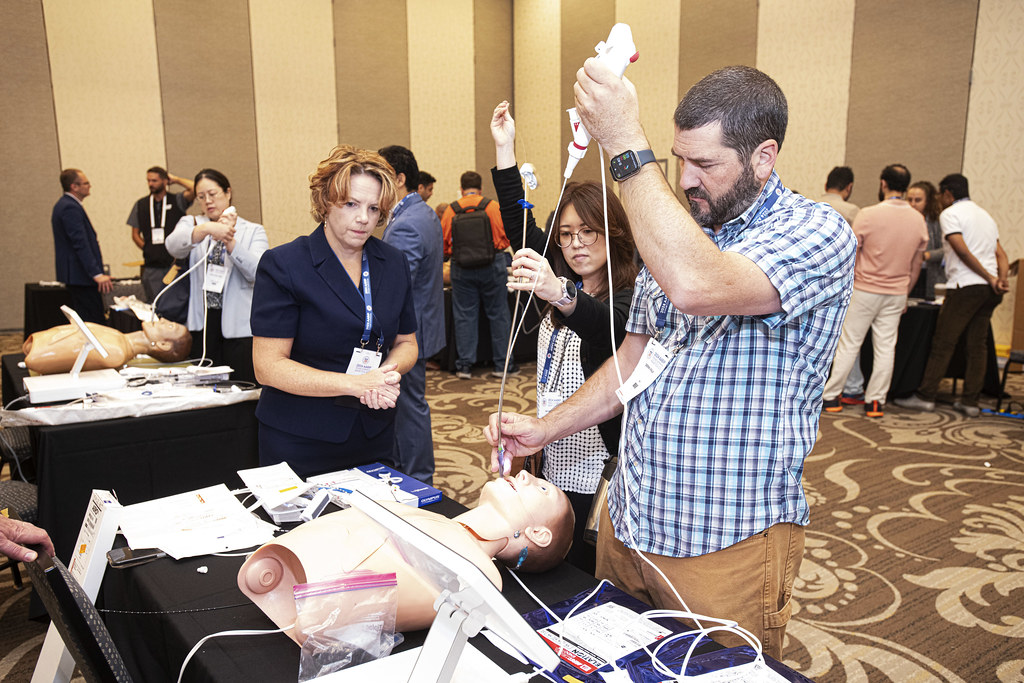
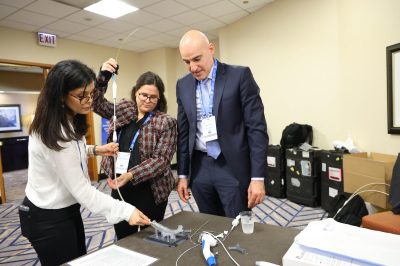
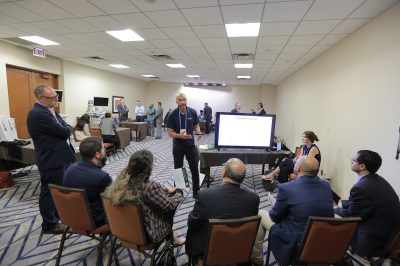
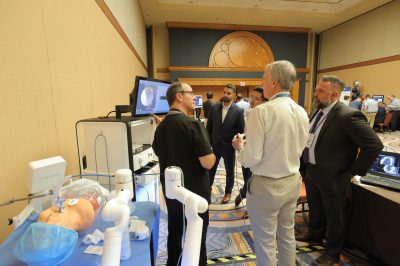
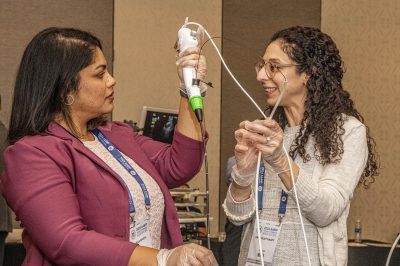
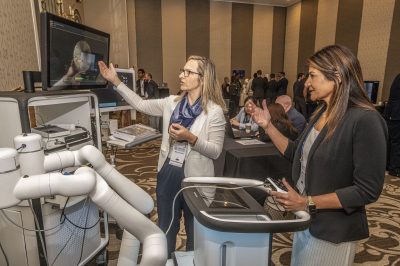
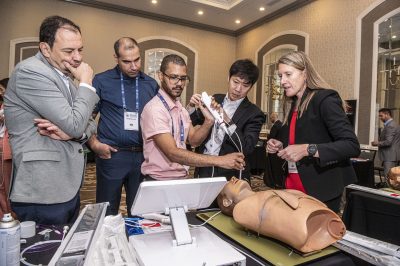
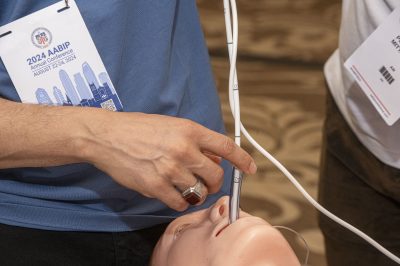
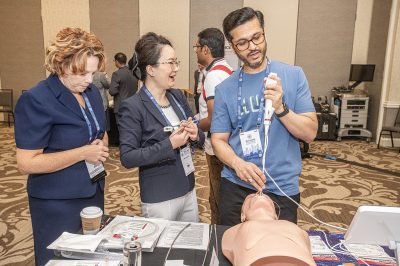
The 9th American Association for Bronchology and Interventional Pulmonology (AABIP 2026) Program Organizing Committee is excited to introduce high-yield, task-oriented 90–150-minute hands-on simulation sessions.
The simulation offerings are designed to maximize direct hands-on time to utilize the equipment more optimally and interact with expert faculty. Faculty-to-Learner ratio will be kept low with a goal of 1:2 and faculty will be comprised of recognized leaders in the field. In this skill and task specific simulation environment, learners can choose one or more of the ten hands-on sessions to build upon their skills or learn the fundamentals of flexible bronchoscopy for self-expanding metallic stent (SEMS) and silicone stent, ablation modalities such as electrosurgery and cryotherapy, bronchoscopic lung volume reduction, accessing peripheral nodules with novel bronchoscopy platforms, the application of IP skills in the intensive care unit, including PUG placement, and the pediatric patient and basic and advanced pleural procedures, such as medical thoracoscopy.
Given the design of the program with a very low faculty-to-learner ratio, participants will also learn tips and tricks in patient selection and procedural approach in a safe simulation environment.
Registration for the Simulation Sessions is included within the main registration form. If you wish to add a session after completing your registration, please contact reg_aabip26@kenes.com.
Not registered for 9th American Association for Bronchology and Interventional Pulmonology (AABIP 2026) yet? Sign up now to secure your spot for these exclusive opportunities.
Fire and Ice – Practical Airway Ablation
Simulation Session 1
Session objectives:
- Explain the foundational principles, safety considerations, and system requirements for electrosurgery, including gas flow, anesthesia settings, and management of implantable cardiac devices.
- Demonstrate appropriate setup and operation of electrosurgical systems to achieve effective coagulation, cutting, and tissue management.
- Apply cryodebulking and cryotherapy techniques and evaluate their role within an interventional pulmonology program.
- Compare available ablation modalities and select appropriate approaches for managing airway stent–related complications.
Planning and Performing BLVR – Tips from the Experts
Simulation Session 2
Session objectives:
- Explain the applications of CT-based fissure analysis and Chartis assessment to determine fissure integrity.
- Outline the sequential steps required for accurate airway sizing and successful valve deployment.
- Evaluate BLVR candidacy in patients with marginal physiologic parameters and discuss its role as a bridge to lung transplantation.
- Describe the essential components of post-BLVR followup and interpret key outcome measurements.
Interventional Pulmonology
for the Pediatric Patient
Simulation Session 3
Session objectives:
Review foundational principles and emerging applications of pediatric interventional pulmonology procedures through simulation-based learning.
Enhance procedural decision-making and technical skills in the management of complex pediatric patients.
Increase learner confidence in recognizing and managing procedural challenges and complications in pediatric interventional pulmonology.
Mastering the Maze: Introduction to Advanced
Bronchoscopy Platforms
Simulation Session 4
Session objectives:
- Plan effective bronchoscopic pathways to reach peripheral and difficultt access lung nodules using 5 advanced navigation platforms.
- Perform the key steps of registration, navigation, and target confirmation across these different advanced bronchoscopy systems.
- Explain strategies to prevent atelectasis—including preprocedure optimization, anesthesia considerations, and patient positioning—to optimize navigation during peripheral bronchoscopy.
- Evaluate diagnostic tools and integrate peripheral navigation platforms with radial EBUS and advanced imaging modalities to optimize sampling yield for pulmonary nodules.
Pushing the Periphery: Tips and Tricks for Optimizing Yield
Simulation Session 5
Session objectives:
Apply advanced pathway-planning strategies for small, eccentric, or anatomically challenging peripheral pulmonary nodules using contemporary bronchoscopy platforms.
Execute and troubleshoot platform-specific procedural steps, including registration, navigation, and target confirmation, to improve procedural accuracy.
Incorporate peri-procedural strategies to minimize atelectasis, including pre-procedure optimization, anesthesia management, and patient positioning.
Select and integrate adjunctive technologies—including radial EBUS, advanced imaging, cryobiopsy, dye marking, and fiducial marker placement—to optimize diagnostic yield.
Optimize specimen acquisition and processing through effective collaboration with pathology, improving diagnostic adequacy and confidence.
Note: Registrants will select one navigation platform for the session. Platform selection will be inquired upon registration.
Expanding the horizon – Stent Tips from the Experts
Simulation Session 6
Session objectives:
Identify and classify the necessary equipment for SEMS insertion through the ETT/rigid bronchoscope technique with and without fluoroscopy via flexible bronchoscopy.
Sequence and explain the step-by-step process for stent selection (metallic vs. silicone vs. customized) and deployment via flexible bronchoscopy.
Apply and demonstrate techniques to deploy and remove metallic and silicone stents.
Discuss post-procedure strategies to minimize stent-related adverse events, including airway clearance options.
Pleural Procedures:
From Tap to Tube
Simulation Session 7
Session objectives:
- Apply ultrasound guidance principles to perform thoracentesis safely and effectively.
- Execute proper technique for chest tube placement in low-fidelity simulation.
- Analyze and explain the indications, procedural steps, and post-placement management of tunneled pleural catheter (TIPC).
- Evaluate and implement strategies to identify and manage common complications associated with pleural interventions.
Advanced Pleural Procedures:
Simulation-Based Mastery of Thoracoscopy
Simulation Session 8
Session objectives:
- Review indications and contraindications for the performance of medical thoracoscopy.
- Practice performing step-by-step medical thoracoscopy.
- Practice performing step-by-step tunneled pleural catheter placement.
- Review post-procedure care of patients that have undergone medical thoracoscopy with or without chemical pleurodesis.
- Perform safe and effective chest tube placement.
- Identify and manage common complications associated with pleural interventions.
Interventional Pulmonology Applications in the Intensive Care Unit - Tips and Tricks for Difficult Cases
Simulation Session 9
Session objectives:
- Analyze and differentiate the indications and contraindications for percutaneous tracheostomy and cricothyrotomy.
- Sequence and explain the steps for bronchoscopic percutaneous tracheostomy placement.
- Demonstrate and apply techniques for lung isolation and endobronchial blocker placement in the context of massive hemoptysis.
- Evaluate and utilize appropriate tools for foreign body removal using flexible bronchoscopic techniques (e.g., forceps, basket, cryoprobe).
Percutaneous Procedures:
Tracheostomy and PUG Placement
Simulation Session 10
Session objectives:
- Analyze and differentiate the indications and contraindications for percutaneous tracheostomy and ultrasound-guided percutaneous gastrostomy (PUG) placement.
- Sequence and explain the steps involved in bronchoscopic percutaneous tracheostomy placement.
- Sequence and explain the steps for ultrasound-guided percutaneous gastrostomy placement.
Please note that in order to attend the Simulation Sessions you must be registered to attend the 9th American Association for Bronchology and Interventional Pulmonology (AABIP 2026).
Register now, as spaces for the Simulation Sessions are limited.
Missed it during the registration?
You can still add Simulation Sessions to your registration. To do so, please contact us at reg_aabip26@kenes.com, and we’ll be happy to assist.